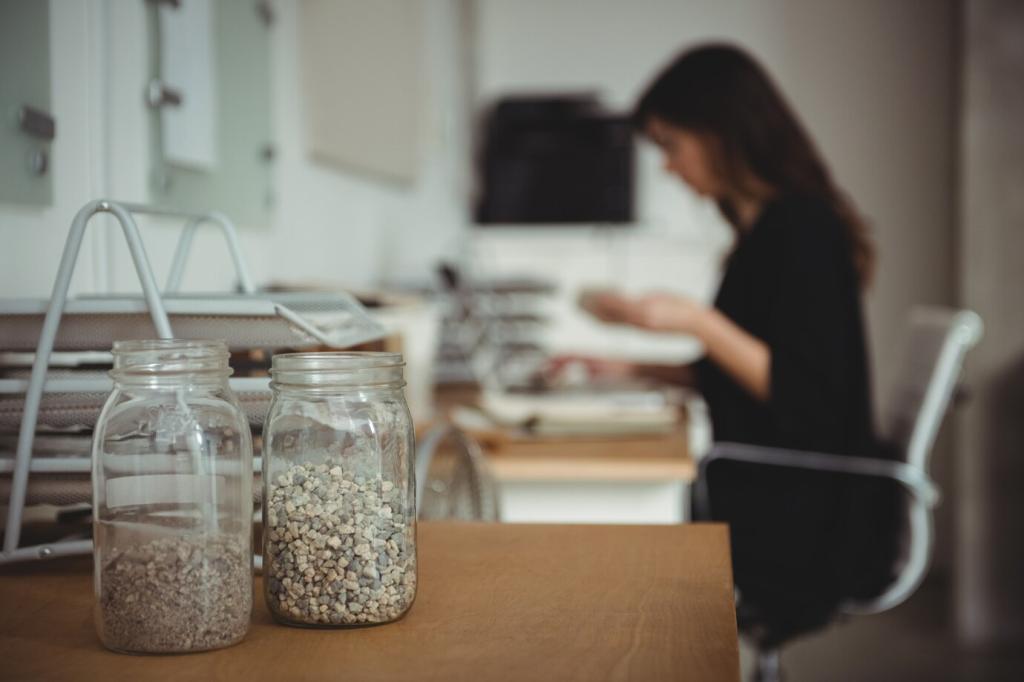
Today’s featured theme: Decluttering Techniques for a Stress‑Free Home. Step into a calmer, lighter space with practical strategies, nurturing stories, and small wins that add up. Join our community—share your biggest clutter challenge and subscribe for weekly inspiration.
Why Clearing Clutter Calms Your Mind
Research from household studies, including UCLA’s work on everyday family life, shows that visual clutter competes for your attention and can raise cortisol. Fewer competing objects reduces mental load, making decision-making easier and evenings more restorative.
Why Clearing Clutter Calms Your Mind
Maya removed one overflowing shoe rack and a wobbly coat pile from her entryway. She noticed she exhaled deeper each time she came home. The lighter view signaled safety and closure, gently resetting a frazzled workday into a soft, welcoming evening.
Room‑by‑Room Blueprint for Peace
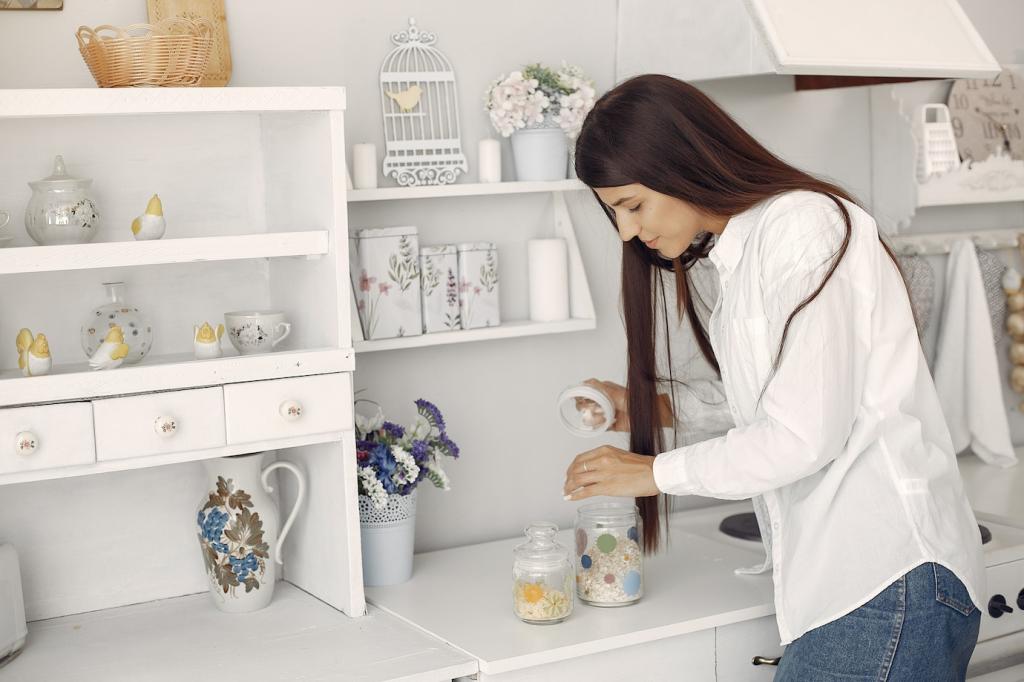
Assign clear zones for prep, cooking, and serving. Keep only daily tools on the counter. Apply the one‑touch rule: handle each item once, deciding to keep, relocate, donate, or discard. A clean prep surface lowers friction and invites calmer, healthier meals.
Room‑by‑Room Blueprint for Peace
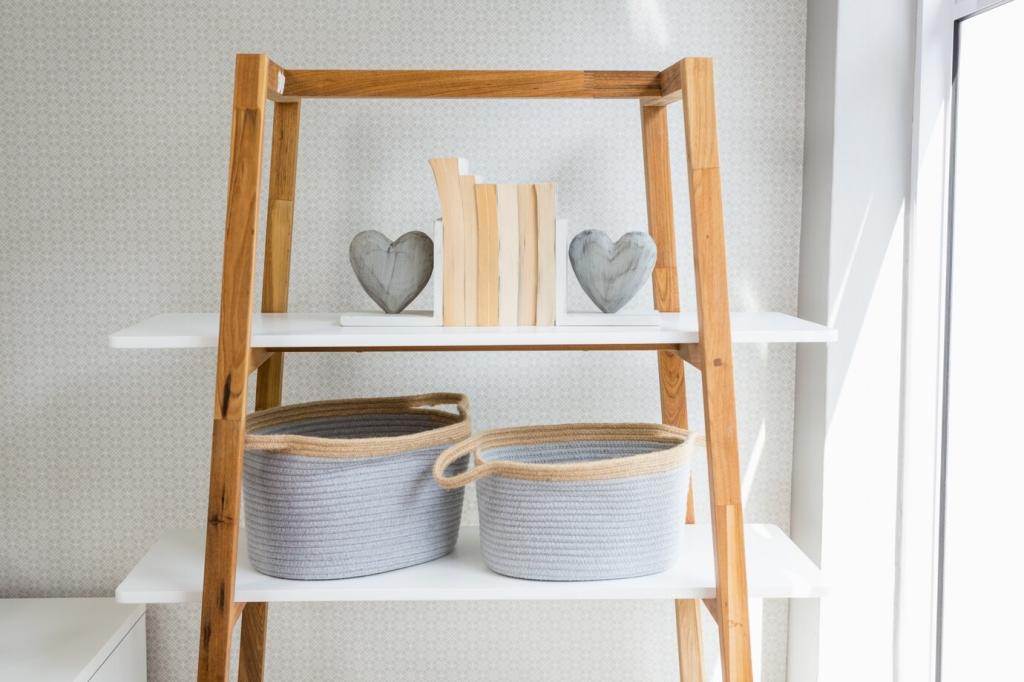
Treat the nightstand and floor as sacred, clutter‑free real estate. Contain bedside items in a small tray. Edit wardrobes by season, and store off‑season clothing in labeled bins. The clearer the view from your pillow, the quicker your mind unwinds each night.
Techniques That Actually Stick
Label four boxes: Keep, Relocate, Donate, Trash. Work in small zones and complete them fully before moving on. Seeing limited containers nudges decisive choices, and the visual progress feels satisfying. Share your toughest category below, and we’ll brainstorm gentle scripts together.
Techniques That Actually Stick
When a new item enters, choose one to release. It’s simple math that protects your peace. Keep a donation tote accessible near the closet. When it fills, schedule a drop‑off immediately. This tiny boundary prevents slow creep and keeps storage breathing comfortably.
Take a photo of meaningful items you rarely use, then write a one‑sentence memory. Store images in a labeled album. You keep the story without storing the object. This mindful swap preserves joy and creates physical space for rest, creativity, and easy breathing.
List nearby shelters, schools, and charities that accept specific categories: linens, books, cookware, or toys. Keep their hours and guidelines handy. Matching items to needs makes letting go feel purposeful. Comment your favorite local drop‑off spots to help neighbors declutter responsibly.
Old cables, batteries, and paint require safe handling. Check municipal e‑waste days and retailer take‑back programs. Keep a small bin labeled E‑waste so items don’t linger in drawers. Responsible disposal protects the environment and removes a nagging source of background stress.
Place a mail sorter, donation tote, and small recycling bin by the door. Everything passes through this station first. Create hooks at child height for backpacks. When incoming items meet a system immediately, piles never gain momentum and evenings stay significantly calmer.
Weekly fifteen‑minute reset
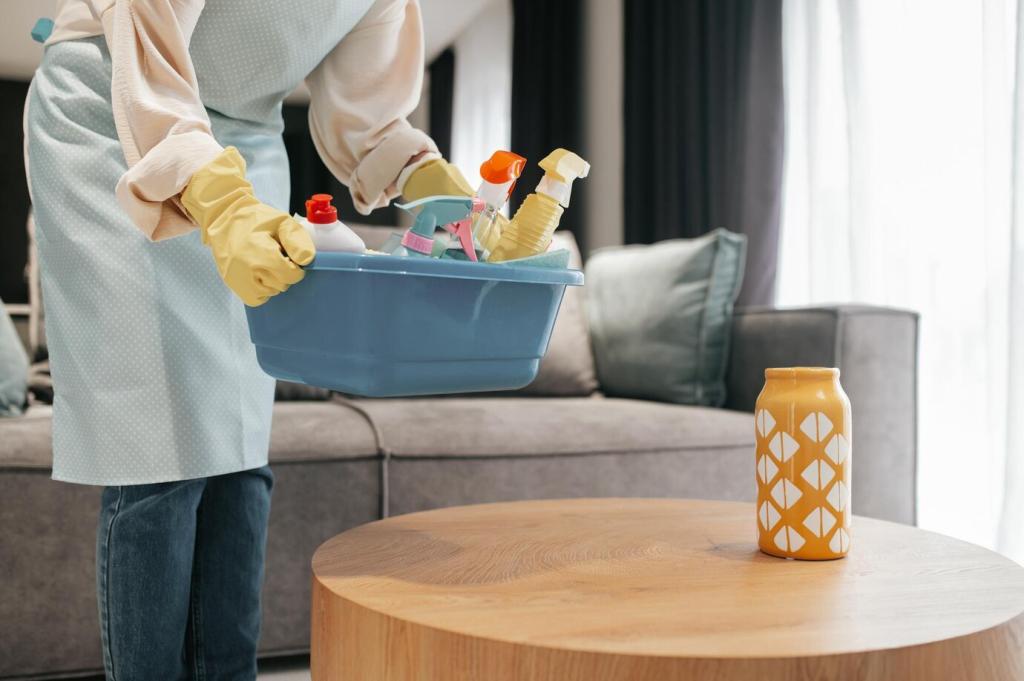
Pick a consistent day and set a cheerful timer. Tackle hotspots only: counters, coffee table, nightstands. The goal is completion, not perfection. Add calm music, and invite family members. Report your reset playlist and favorite candle in the comments to encourage others.
Paper and paperwork plan
Go digital where possible. Scan essentials, set auto‑pay, and unsubscribe from physical catalogs. Keep one slim action tray labeled To Do and one labeled To File. When trays fill, process them. Clear paper paths eliminate that constant whisper of unfinished tasks.